There are many paradoxes to be found around us. They are frequently discussed, in a poor man’s philosophy kind of way. Everyone and their uncle can sound well-versed in philosophical discussion when conversing about paradoxes and binary thinking.
There is one that hits close to home with me, though, during this period of struggle and change that I am in the midst of. It’s one that I hold onto as being true.
It’s this: that the situations and experiences that we would call our worst moments while we are trudging through them are often the same motivations that drive us forward to better things. The darkest moments are often the stories that we laugh about with family and friends months or years down the road.
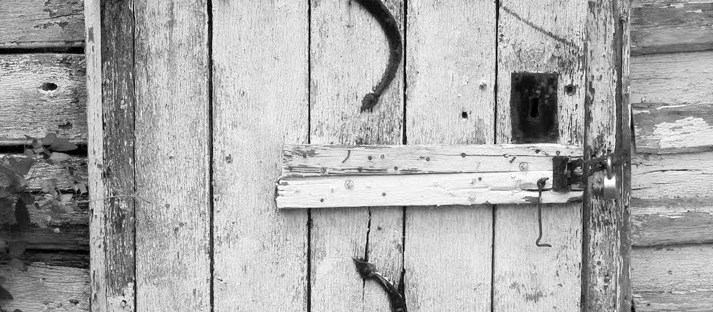
J.R.R. Tolkien once said that there is a phrase in the English language that could be called incredibly beautiful. Not for its meaning or content, but for the sound it makes coming off the tongue. That phrase? “Cellar door.” That’s a great illustration of the paradox I’m describing. Have you ever seen a cellar door, then walked away thinking that it was the best feature of the house? Quite the contrary, in my experience. The cellar door is typically the most unkempt, beat up, disregarded fixture in a house. It leads to a dark, damp place, so no one prioritizes it as being of great importance. Yet its name stands out as one of the most beautiful in our language.
This same paradox is described in the New Testament: “when I am weak, then I am strong.” That’s an expression of truth that I carry with me every day. There is more depth to that statement than a photo quote or highlighter can reach. To me, it describes a situation of raw honesty with oneself. A place where you have reached the edge of who you are, and you allow the spiritual to step in. Moments where you set aside an empirical mind and embrace the impalpable. Life is given to those who lose themselves, Jesus taught. That’s incredibly counter-intuitive, but somehow always holds true.
Like any good writing, these words on this page are words that I need to hear. Knowing with a mind and trusting with a heart are polar opposites that need to meet in the middle. Do I really believe and press ahead with the confidence that the place I find myself in will launch me into something beautiful? That the lessons learned will be invaluable, and that one day I will be thankful for them?
Do I have faith in the paradox? Do you? Or will we ever be able to, regardless of how often and obviously it proves itself to be true?
Is that where spirituality and hope is best found: in the opposite outcomes?





 OVERVIEW AFFECTED